
by Christine Maree Reid
The word vampire conjures images of shadowy figures, ancient castles, and an insatiable thirst for blood. But beyond the gothic romance and macabre horror, there is a fascinating and, I think, very human allure that has allowed this invented creature of the night to persist and evolve across cultures and centuries. The vampire is more than just a monster; it’s a surprisingly adaptable symbol, a mirror reflecting humanity’s deepest fears, desires, and societal anxieties.
And so, our thematic essay will trace the evolution of the vampire archetype, from its diverse folkloric origins through its literary crystallization with Bram Stoker’s Dracula, its romantic reinterpretation by Anne Rice, and its myriad contemporary manifestations. I also want to address how the vampire consistently embodies the shifting zeitgeist of each time period.

Ancient Roots: Folklore and Superstition
Origins from around the globe
Long before literary vampires stalked the pages of novels, spectral blood-drinkers and reanimated corpses haunted the oral traditions and superstitions of cultures worldwide. From the strigoi of Romanian folklore, restless spirits or living people cursed to become vampires, to the seductive lamia of Greek myth who preyed on children, and the terrifying revenants of medieval Europe who returned from the grave to torment the living, the concept of a malevolent undead entity was widespread. Asian traditions featured the hopping jiangshi (hopping corpse) of China, while ancient Mesopotamian and Hebrew texts hinted at succubi and incubi draining vital energy. Common characteristics across these diverse origins included a thirst for blood or life force, a reanimated state after death, and an inherent malevolence, often associated with the spread of plague or unexplained deaths.
These early folkloric vampires were direct manifestations of very real, visceral fears. They embodied the terror of unexplained deaths and devastating epidemics, serving as supernatural scapegoats for diseases that science couldn’t comprehend at the time. The fear of the unknown, particularly regarding death and what lay in the great beyond, fueled beliefs in the unburied dead returning to haunt the living, emphasizing the importance of proper burial rites.
Superstition and religious anxieties also played a significant role, with vampires often seen as demonic possessions or unholy beings, challenging the sanctity of life and the soul. In societies where agriculture and farming were the foundation of the economy, these creatures also tapped into rural anxieties, representing the fear of outsiders, the disruption of natural order and the unseen forces that could bring ruin to the community’s income.
The Literary Birth: The Romantic and Victorian Vampire
Early Literary Precursors: The transition from folkloric terror to sophisticated literary figure began during the Romantic era. John Polidori’s The Vampyre (1819), born from the same ghost story competition that birthed Frankenstein, introduced Lord Ruthven, the first truly aristocratic, Byronic anti-hero vampire. Unlike the grotesque peasants of folklore, Ruthven was charming, seductive, and dangerously alluring, setting a new standard for the literary vampire. Decades later, J. Sheridan Le Fanu’s novella Carmilla (1872) further refined the archetype, presenting a seductive, lesbian vampire whose psychological manipulation and sensual predation added layers of complexity and psychological horror to the nascent genre.
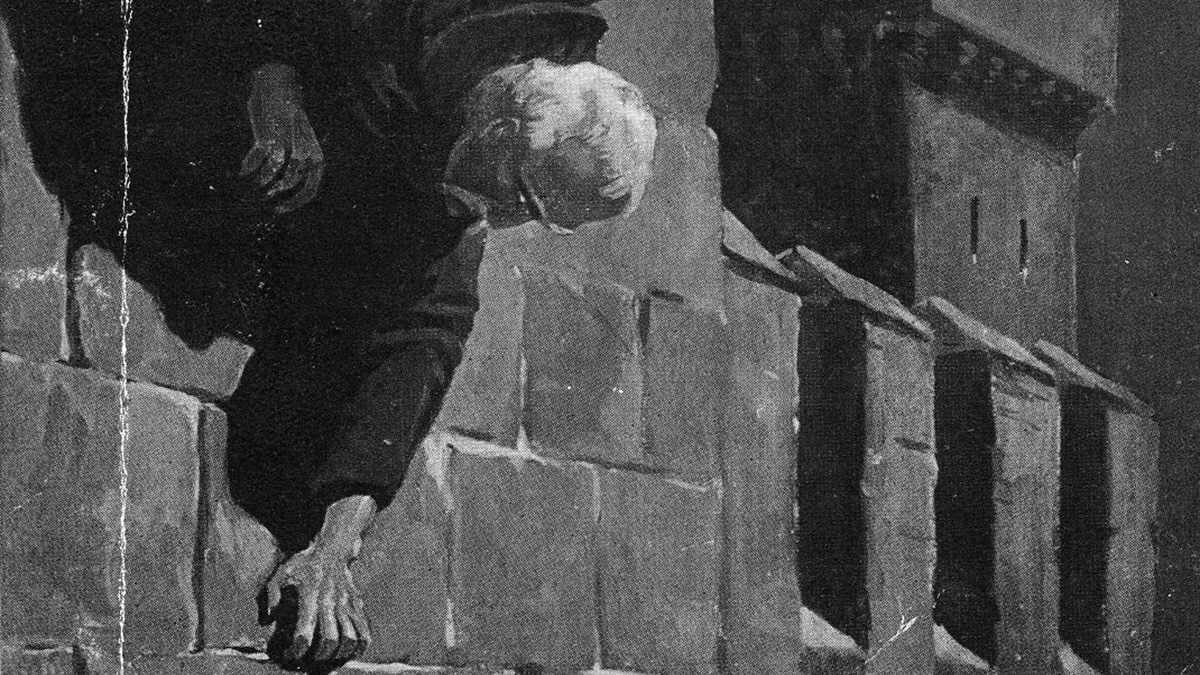
Solidifying The Archetype: It was Bram Stoker’s Dracula, however, that truly solidified the vampire archetype in the Western imagination. Count Dracula became the definitive Victorian vampire: an ancient, aristocratic, and foreign entity hailing from the mysterious, “uncivilized” Eastern Europe. He was openly predatory, both physically and sexually, representing an invasion of the pure, ordered British society. Victorian anxieties practically jump from the pages of Dracula: fear of immigration and the ‘other’, anxieties about moral corruption, the terrifying spectre of venereal diseases like syphilis, and the perceived decline of the British Empire. Crucially, Dracula also embodied the era’s deep-seated anxieties about female sexuality and purity, as his victims, particularly Lucy Westenra, become overtly sensual and transgressive after their transformation. The novel’s struggle between science and superstition, and the ultimate triumph of rational thought (albeit with supernatural aid), further underscored the era’s intellectual and social conflicts.


The Romantic and Sympathetic Vampire: Anne Rice’s Legacy
The Vampire Chronicles (starting with Interview with the Vampire, 1976).
The latter half of the 20th century witnessed a revolutionary shift in the portrayal of vampires, which was largely pioneered by Anne Rice’s The Vampire Chronicles. Beginning with Interview with the Vampire in 1976, Rice transformed the vampire from a monstrous villain into a complex, introspective, and more often than not melancholic protagonist. Her vampires, most notably the tormented Louis and the flamboyant Lestat, grappled with internal struggles, existential angst, and the moral implications of their immortality. They were not merely evil; they were burdened by their endless existence, yearning for meaning, art, and connection. Rice’s work also courageously explored themes of intense sensuality, forbidden desires, and queer relationships, pushing boundaries and appealing to a new generation of readers. (—If anyone has not picked up an Anne Rice book, take this as your sign. It doesn’t have to be The Vampire Chronicles, The Mayfair Witches Series is fantastic as well!)
Rice’s vampires resonated deeply with the post-1960s counterculture. They reflected a societal desire to question traditional morality, embrace hedonism, and explore fluid identities. The interest in the anti-hero, the fascination with psychological depth, and the search for ‘humanity’ within the monstrous found a perfect outlet in Rice’s elegant, tormented creatures. Her work also coincided with the emergence of the Goth subculture, which romanticised the dark, the melancholic, and the aesthetically rich, finding a profound connection with the opulent and introspective world of The Vampire Chronicles.

The Modern Vampire: Diverse Interpretations
The Twilight Saga (Stephenie Meyer, 2005 onwards).The turn of the millennium brought another significant reinterpretation with Stephenie Meyer’s Twilight Saga. Meyer’s vampires famously sparkled in sunlight. They became the romantic leads, often depicted as brooding teenagers struggling with abstinence (—from eating human blood, but there is an argument for a religious interpretation here) and moral choices. The focus shifted almost entirely to romance, wish fulfilment, and a highly sanitised version of the supernatural. This iteration of the vampire reflected adolescent longing for intense, safe romance, often aligning with purity culture narratives, and offering a potent form of escapism for its young adult audience.
Sookie Stackhouse/ The Southern Vampire Mysteries/ True Blood (Charlaine Harris’s 2001 onwards).In stark contrast to Twilight, Charlaine Harris’s The Southern Vampire Mysteries explored a world where vampires ‘out of the coffin’, attempting to integrate them into human society, aided by synthetic blood. This narrative was a strong allegory for civil rights movements, exploring themes of prejudice, societal acceptance versus fear, and political struggle. The series reflected post-9/11 anxieties about the ‘other’ in a multicultural society, as well as contemporary discussions around LGBTQ+ rights and the challenges of social integration for marginalised groups.
Other Modern Examples (briefly, and by no means all-encompassing).The modern vampire landscape is incredibly diverse. Carpe Jugulum by Terry Pratchett (part of the Discworld series) offers a comedic look at what happens when vampires refuse to leave. Blade transformed the vampire into an action hero, a monster hunter fighting against his own kind. A Girl Walks Home Alone at Night delivers an arthouse, feminist vampire narrative. These examples collectively reflect contemporary desires for genre blending, humour, and the exploration of diverse perspectives within established archetypes. Grady Hendrix’s The Southern Book Club’s Guide to Slaying Vampires takes a mannered group of southern ladies and how they would handle a vampire in their midst (—I would argue this is one of Hendrix’s best books), and if you really want to go all in, check out Jane and the Damned by Janet Mullany. Think Jane Austen and vampires, but the vampires are not allowed in polite society.

The journey of the vampire from folkloric entity to literary symbol is a testament to its incredible adaptability. It has morphed from a grotesque, plague-carrying resurrectee to a seductive aristocrat, a brooding philosopher, a romantic teen idol, and a civil rights metaphor. With each transformation, we can see how the vampire serves as an ever-evolving mirror, reflecting our (—humanity’s) deepest fears of death, disease, the unknown, and the ‘other’, as well as our most compelling desires for immortality, forbidden passion, acceptance, and understanding. I think that as long as we struggle with anxieties about our mortality, our desires, and the complexities of human nature, the vampire will undoubtedly continue to haunt our stories, and if we look carefully, it might tell us something new about ourselves.
(—I just realised I forgot to talk about Stephen King’s Salem’s Lot. Just know… It’s the best…Read it!)